
Self-hosted music streaming: Navidrome, Jellyfin and other Spotify alternatives
By Pull This RepoPosted 5 min read
Short answer
For self-hosted music streaming, start with Navidrome: one small Docker container on port 4533 that streams your own music files to a web player and to any Subsonic app on your phone, under GPL-3.0. Pick Jellyfin if you also want films and shows, Funkwhale for federated sharing and podcasts, or Ampache for a long-running PHP server.
Self-hosted music streaming means running your own Spotify-style server at home: you point it at your own music files, and it streams them to a web player and to apps on your phone, wherever you are. There is no monthly fee and no catalog that changes under you, but also no music included. You bring the files: ripped CDs, purchased downloads and your own recordings. This page compares the four open source servers people use, with licences, stars and Docker commands read from each project's own pages on 22 November 2026.
Which self-hosted music server should you use?
| Server | Best for | Licence | Stars on 22 Nov 2026 | Latest release | Phone apps |
|---|---|---|---|---|---|
| Navidrome | a light, music-only server with lots of app choice | GPL-3.0 | 24,899 | v0.64.2 (24 Sep 2026) | any Subsonic client |
| Jellyfin | one server for music, films and TV | GPL-2.0 | 59,624 | v12.4 (26 Oct 2026) | official apps plus Finamp for music |
| Funkwhale | federated sharing between servers, plus podcasts | AGPL-3.0 | on its own GitLab | 2.0.13 (1 Nov 2026) | Subsonic clients and podcast apps |
| Ampache | a mature PHP server with a long history | AGPL-3.0 | 3,848 | 8.4.0 (6 Nov 2026) | Subsonic and Ampache API clients |
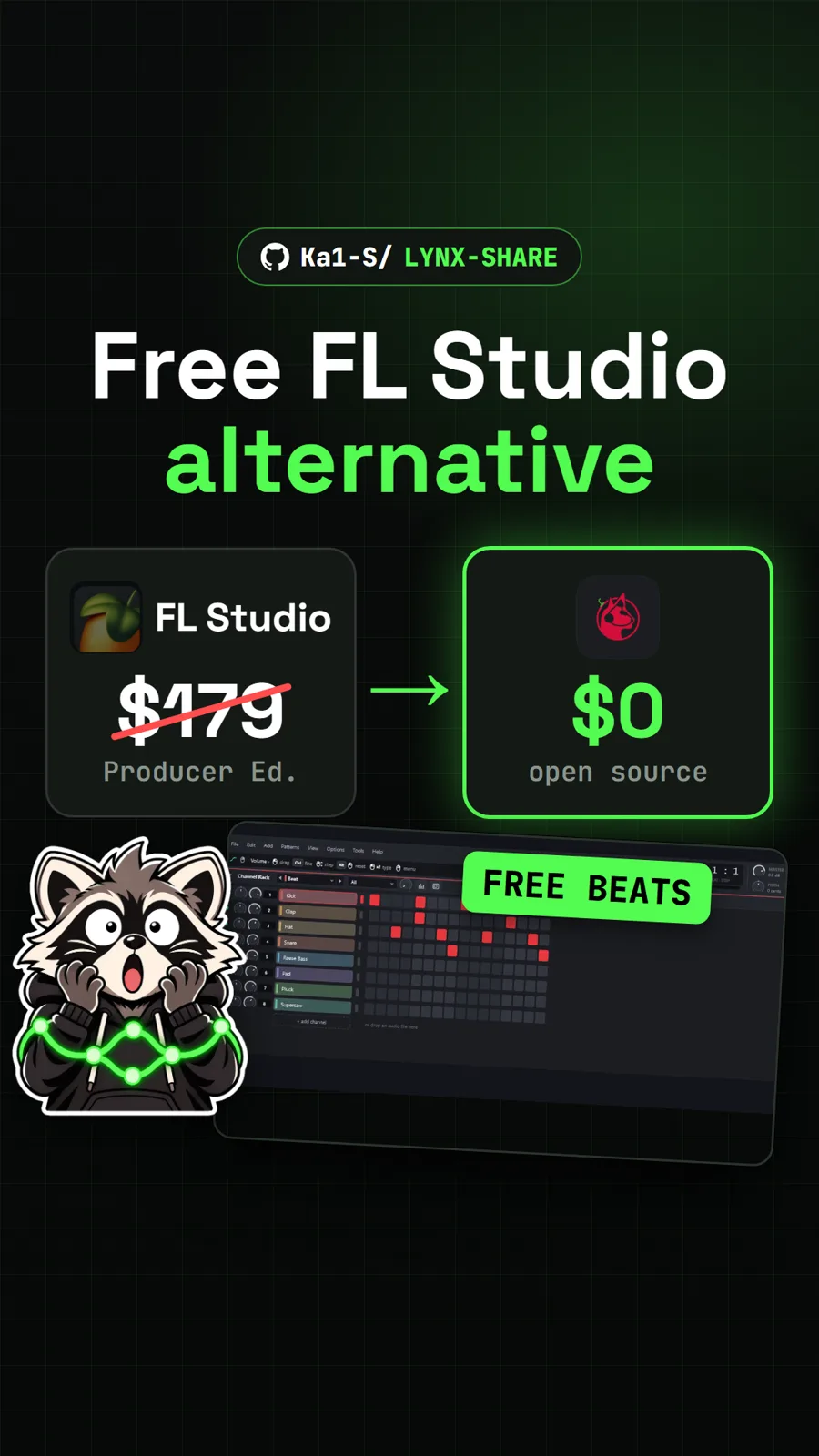
All four were updated this month. If you want to make music rather than stream it, see our roundup of free FL Studio alternatives instead.
How do you install Navidrome?
Navidrome is the usual answer to "self hosted spotify". Its README lists compatibility with all Subsonic, Madsonic and Airsonic clients, on the fly transcoding that can be set per user or per player (Opus included), multiple users with their own play counts, playlists and favourites, very low resource usage, and a responsive web interface.
The Docker Compose file from Navidrome's docs:
services:
  navidrome:
    image: navidrome/navidrome:latest
    user: 1000:1000
    ports:
      - "4533:4533"
    restart: unless-stopped
    volumes:
      - "/path/to/data:/data"
      - "/path/to/your/music/folder:/music:ro"
Or the same with one docker run:
docker run -d \
   --name navidrome \
   --restart=unless-stopped \
   --user $(id -u):$(id -g) \
   -v /path/to/music:/music \
   -v /path/to/data:/data \
   -p 4533:4533 \
   -e ND_LOGLEVEL=info \
   navidrome/navidrome:latest
Steps:
- Replace
/path/to/your/music/folderwith the folder that holds your music files. The:romount keeps Navidrome from changing them. - Make sure the user in
user:owns the data folder and can read the music folder. - Run
docker compose up -d. - Open
http://your-server-ip:4533and you will see the admin user creation screen. Pick a username and password and click Create Admin. - Install a Subsonic app on your phone and sign in with the same address, user and password.
No Docker yet? See our guide to installing Docker on Ubuntu.
Which apps work with Navidrome?
This is Navidrome's biggest strength. Its apps page lists more than 100 compatible apps. Among those it marks as open source:
- iPhone and iPad: Amperfy, Substreamer, Cassette.
- Android: Ultrasonic, DSub, Tempo, Subtracks.
- Desktop: Feishin (GPL-3.0, 10,469 stars on 22 Nov 2026) and Supersonic (GPL-3.0, 2,432 stars on 22 Nov 2026).
- Web: Airsonic Refix, Feishin and others, on top of Navidrome's own web player.
Because they all speak the Subsonic API, the same apps also work with Funkwhale and Ampache.
Can Jellyfin stream music too?
Yes. Jellyfin is a full media server, so a music library sits beside films and TV, and you only run one server. Its container install from the docs:
docker run -d \
 --name jellyfin \
 --user uid:gid \
 -p 8096:8096/tcp \
 -p 7359:7359/udp \
 --volume /path/to/config:/config \
 --volume /path/to/cache:/cache \
 --mount type=bind,source=/path/to/media,target=/media \
 --restart=unless-stopped \
 jellyfin/jellyfin
Replace uid:gid with your own user and group IDs, or drop that line. Then open http://your-server-ip:8096 and add your music folder as a Music library.
Jellyfin's official apps cover phones, TVs and desktops. For a dedicated music player, Finamp describes itself as an open source music player made for Jellyfin; it is MPL-2.0 with 4,611 stars on 22 November 2026. Our self-hosted media server guide compares Jellyfin with Plex and Emby for the video side.
What makes Funkwhale different?
Funkwhale is built around federation. Its site says servers, called pods, can share content with each other, artists and podcasters can publish channels that followers are notified about, and no single company controls the network. You can listen in the browser, in Subsonic clients or in podcast apps.
The project is maintained by the non-profit Funkwhale Collective, and its code lives on its own GitLab under AGPL-3.0, with release 2.0.13 on 1 November 2026. Its site describes running your own pod as needing system administration skills and points to the admin docs; the easier route is to join an existing pod. It is the right pick if you want to share music with a community, and more than you need if you only want your own library on your phone.
Is Ampache still worth using?
Ampache has been around the longest and still ships: 8.4.0 came out on 6 November 2026. Its Docker image runs with one command:
docker run --name=ampache -d -v /path/to/your/music:/media:ro -p 80:80 ampache/ampacheThen open http://localhost/install.php and follow the setup wizard. The admin MySQL password is printed in the container logs on a line starting mysql -uadmin -p. When you create the catalog, use /media as the path and name it "music": the ampache-docker README says a catalog with any other name is only updated by the hourly cron job.
Setup takes more clicks than Navidrome, and it wants port 80 by default, so map it to another port if something else uses 80.
How should you organise your own music files first?
A few minutes here saves hours later, whichever server you choose.
- Put everything in one folder tree, for example one folder per artist with one folder per album inside it. All four servers scan a folder you point them at.
- Fix the tags, not the file names. Servers read artist, album, track number and year from each file's metadata. A free tag editor such as MusicBrainz Picard can fill these in from an online database.
- Add cover art as an image in each album folder or embedded in the files.
- Keep the originals somewhere else too. Mount the music folder read only, as the Navidrome and Ampache examples above do, and keep a backup copy on another disk.
- Rescan after big changes. New files usually show up on the next scan; check each server's settings for how often that runs.
Which one should you pick?
Only music, and you want the widest choice of phone apps: Navidrome. Music plus films and shows on one server: Jellyfin with Finamp. Sharing with friends on other servers, or hosting podcasts: Funkwhale. Already know PHP stacks and want a long track record: Ampache.
What is the catch?
- You need your own music files. These servers stream what you already own. There is no catalog, no recommendations from millions of tracks, and no new releases appearing by themselves.
- Tags decide everything. Albums, artists and covers come from your files' metadata. Messy tags mean a messy library, so tidy them before the first scan.
- Outside access needs setup. Streaming on the bus means a domain with HTTPS, a VPN or a tunnel back to your server.
- Offline listening depends on the app. Some Subsonic apps cache or download tracks, some do not. Pick the app with this in mind.
- Transcoding costs CPU. Converting lossless files to smaller ones for mobile data happens on the server, so a very small box can struggle with several listeners at once.
To run Navidrome next to a photo or file server on the same machine, our guide to installing Proxmox is a good base.
Pull it. Stash it.
Questions people ask
What is the best self-hosted Spotify alternative?
For music alone, Navidrome. It is light, multi-user, transcodes on the fly and works with every Subsonic, Madsonic and Airsonic client, so you can choose from dozens of phone and desktop apps. It does not supply music: you stream the files you already own.
Can Jellyfin be used as a music server?
Yes. Jellyfin handles music libraries alongside films and TV, and dedicated music apps such as Finamp, an open source MPL-2.0 player made for Jellyfin, give it a proper music player on your phone. If music is all you need, Navidrome is lighter.
Is there a free alternative to Spotify?
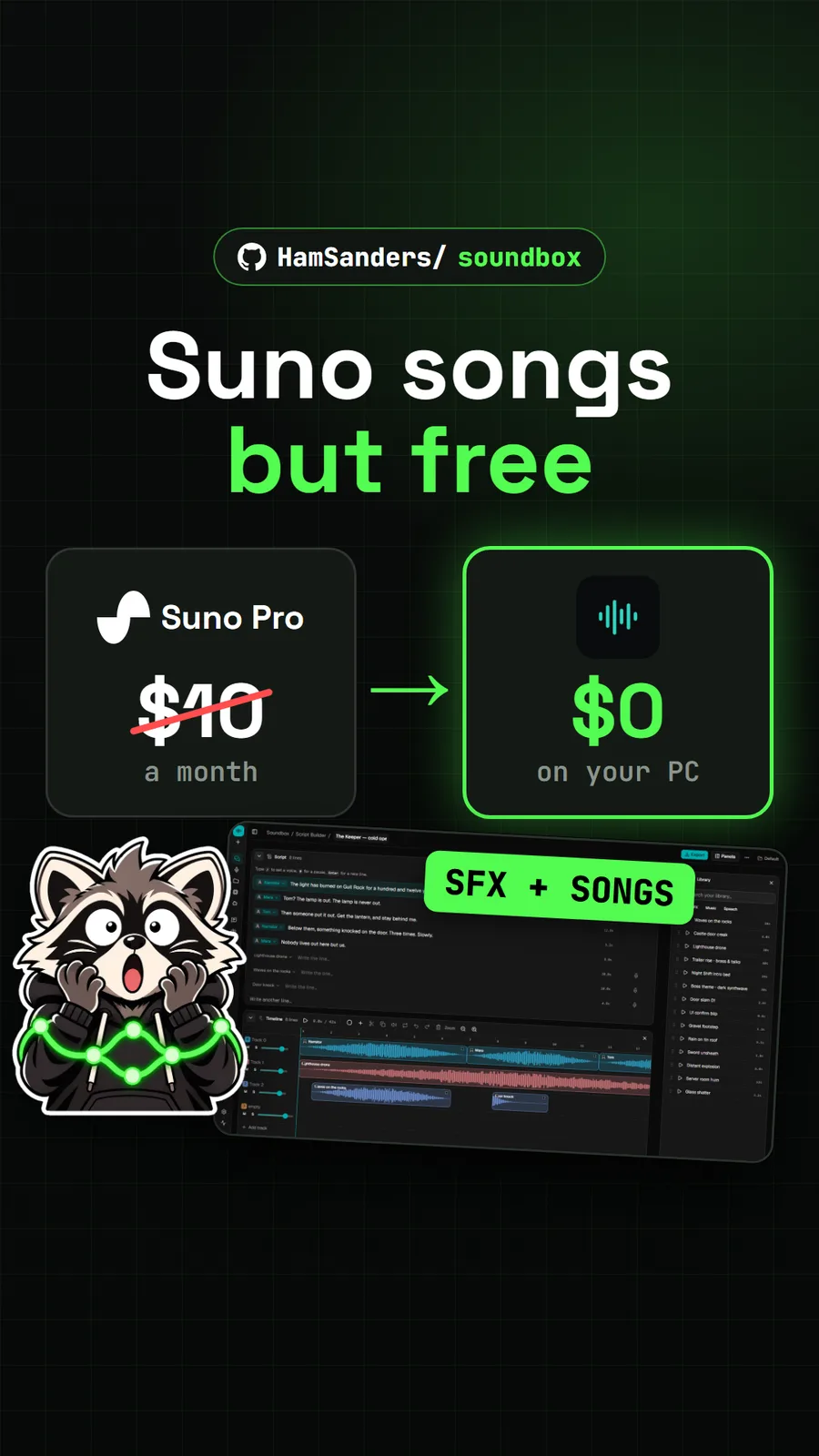
If you own your music, yes: a self-hosted server such as Navidrome, Jellyfin, Funkwhale or Ampache streams your own files to your phone at no cost beyond the hardware. None of them gives you a catalog of music to stream; you bring the files.
Which apps work with Navidrome on iPhone and Android?
Navidrome's apps page lists more than 100 compatible apps. Open source picks include Amperfy, Substreamer and Cassette on iOS, Ultrasonic, DSub, Tempo and Subtracks on Android, and Feishin and Supersonic on the desktop.
Sources
- 1navidrome/navidrome
- 2Navidrome docs: Installing with Docker (read 2026-11-22)
- 3Navidrome docs: Getting started (read 2026-11-22)
- 4Navidrome compatible apps (read 2026-11-22)
- 5Jellyfin clients (read 2026-11-22)
- 6jellyfin/jellyfin
- 7Jellyfin docs: Container installation (read 2026-11-22)
- 8finamp-app/finamp
- 9Funkwhale official site (read 2026-11-22)
- 10Funkwhale source on its GitLab (read 2026-11-22)
- 11ampache/ampache
- 12ampache/ampache-docker
- 13jeffvli/feishin
- 14supersonic-app/supersonic
More repos like this

Get tomorrow's repo in your feed
One free, open source repo a day as a short video, shown working, with the catch named. Pull it. Stash it.
